
Litigation Just Beat Big Tech. Philanthropy Should Be Funding More of It.
The money to hold corporations accountable already exists: it’s sitting in philanthropy and endowments.
The money to hold corporations accountable already exists: it’s sitting in philanthropy and endowments.
In the space of ten days this August, TikTok agreed to pay $400 million to settle a U.S. Department of Justice case over how it collected data from children under 13, and Meta agreed to pay up to $18 billion to resolve claims from a bipartisan coalition of 52 U.S. state attorneys general that it built Facebook and Instagram to be compulsively addictive to teenagers. Meta's settlement alone works out to roughly a tenth of its 2025 revenue, paid to end a case the company chose not to see through to trial.
These are not isolated regulatory wins. They are the visible tip of a shift that public health advocates have been waiting for since the earliest days of the fight for tobacco control: the moment when courts, not just legislators, start forcing companies to absorb the cost of the harm they cause.
Amnesty International has spent the past two years documenting how social media platforms use addictive design in ways that violate children's rights to health and privacy. In March, a jury went further, finding Meta and YouTube liable for deliberately designing addictive products.
Human rights organisations called the verdict a watershed, and they are right to.
Why litigation works
SHIFT is a strategic litigation fund. We hold corporations that profit from harming public health accountable through the courts, focusing on tobacco and nicotine companies first, with other health-harming industries in view. My reason for starting it is simple: policy persuades, but litigation compels. Governments can regulate an industry, and that industry can lobby, delay, and reframe its way around the regulation for decades. It cannot argue its way out of a verdict.
That lesson is not new.
Climate litigation was considered a fringe legal strategy 15 years ago. Today there are more than 3,600 climate cases working through courts worldwide, and they have done more to shift corporate behavior than the decades of well-intentioned voluntary pledges have achieved. Think for example about the major legal victories on emissions disclosure and liability, and clean drinking water to name just two. Public health litigation - against tobacco, nicotine, ultra-processed food, alcohol, and now the tech platforms whose business model depends on compulsive use - is roughly where climate litigation stood in 2010: a handful of committed lawyers and funders proving the model works, and on the road to becoming a vital tool in the public interest toolbox and standard practice. Voluntary pledges are a smokescreen and a deliberate strategy from the corporations who continue to profit from the harm they cause. Litigation is impactful.
Dry powder
The legal groundwork for this is unusually strong right now. In Europe, decades of near-complete implementation of the World Health Organization's Framework Convention on Tobacco Control (FCTC) means the tobacco industry has largely run out of legislative fights to have, so it has moved into the courts instead, challenging existing laws and reframing nicotine products, including vapes, as "reduced harm”. In November 2025 an FCTC provision dealing specifically with industry liability led to the adoption of recommendations covering civil, criminal, and administrative routes to holding tobacco companies financially responsible.
That work sits alongside a separate but related recognition that tobacco control is a human rights issue: that governments' duty to protect the right to health extends to protecting people from industry-caused harm. This is one of the clearest examples of the mechanism through which a human rights violation becomes a liability a company actually has to pay. The fact is that every year there are eight million preventable deaths related to tobacco and anywhere between 20-30% of these preventable deaths are young people.
So why isn't more of this being litigated? Third-party litigation funding is genuinely one of the fastest-growing asset classes in Europe: the European Commission counted nearly 300 funders active in the EU as of last year, holding over €3 billion in current investment, projected to roughly double by 2032. This looks like exactly the capital public health litigation needs.
In practice, however, almost none of it reaches these cases. Commercial litigation funders are, by design, investors: they take on a case in exchange for a cut of the payout, so they gravitate toward disputes with large, quantifiable damages and a clear line from harm to compensation: commercial contract disputes, mass torts, intellectual property, antitrust. A handful of specialist funds have moved into climate litigation, mostly focused on compensation claims against fossil fuel companies. Far fewer will touch a case like an advertising-standards challenge to a "smoke-free" marketing claim, or a vape-sales prosecution aimed at protecting minors - both cases we have ready to invest in through SHIFT - because the public health payoff is enormous, but the direct financial recovery is small or nonexistent.
The industry counts nearly 300 funders and billions in “dry powder”; the number of them actively bankrolling public health accountability cases in Europe can maybe be counted on one hand. We just do not know the real numbers. That is the paradox: an abundance of capital chasing profitable disputes, and a shortage of capital willing to fund cases that are correct, urgent, and would never show a commercial funder a return.
Fund infrastructure, not lawsuits
We see a huge gap where philanthropic and mission-driven capital has an opportunity to make an impact that goes beyond their annual report, and makes it count towards shifting systems for good. Funders can underwrite a case because it is right, not because it pencils out. But funding needs to cover more than just legal fees.
The cases we see at SHIFT need lawyers, but they also need the infrastructure around them: researchers and analysts who can gather the data and build the reporting protocols that will support this pipeline of viable claims across jurisdictions. Then fund the communications and narrative work that turns a legal filing into a story the public understands and cares about. The data-gathering, including support for whistleblowers and workers willing to come forward, that makes a case provable in the first place are critical infrastructure to fund, not ‘nice to haves’.
The Centre for Research on Multinational Corporations (SOMO) and others are proving that public interest litigation needs funders’ support more urgently than ever. Fund only the legal costs and you get a lawsuit. Fund the infrastructure around it and you get a case that actually shifts public understanding, the way climate litigation has.
What's missing, and a huge opportunity waiting to be filled, is funders willing to use philanthropic capital the way litigation funders use commercial capital: as a deliberate bet on accountability, and to be willing to explicitly fund the infrastructure parts of a case that a commercial funder never will.
Time to start spending
European foundations hold an estimated €511 billion in assets and endowments, and grant out roughly €60 billion of it in a given year: a small fraction of the whole. In the United States, donor-advised funds (DAFs) held $326 billion in 2024 and paid out under $65 billion - DAFs have no legal obligation to pay out, interestingly - while foundations overall are estimated to be sitting on close to $2 trillion in assets, a sum projected to grow toward $18 trillion by 2050. Climate philanthropy, the field that litigation transformed most visibly, still accounts for barely 2% of global foundation giving, even after a decade of foundations describing climate as an existential priority.
None of this capital is doing anything actively “wrong” by existing. But a meaningful share of it sits in funds explicitly dedicated to human rights, public health, or corporate accountability - the exact missions that strategic litigation serves - while the industries doing the harm spend freely on lawyers to not only defend themselves, but to actively and maliciously threaten advocates and NGOs before they even file their provable claims.
Litigation funding is not a niche request for spare change. It is infrastructure: legal expertise to build cases, the communications and narrative work to make a legal win land as a cultural one, and yes, the patient capital to see a case through years of appeals against a defendant with a far bigger legal budget.
We’ve seen what can happen already: Mothers Against Drunk Driving in the U.S. started as one mother's response to a personal tragedy and, through a combination of litigation and advocacy, is credited with helping cut alcohol-related traffic deaths by more than half over a generation. Every industry that has faced sustained litigation, tobacco, opioids, and now, visibly, technology surveillance and specifically social media, has eventually been forced to change its practices in ways that voluntary reform has been unable to achieve.
Litigation against one health-harming industry also tends to produce precedent that helps cases against the next one: an advertising-standards ruling against a nicotine company's "smoke-free" claims strengthens the same argument against a platform's claims about protecting children's wellbeing, and the reverse is increasingly true too.
Funders who care about human rights, public health, or corporate accountability have a genuine opportunity here, not a distant one. The Meta and TikTok settlements show what courts will do when a case is well built and well resourced. The question for the philanthropic sector is whether it is willing to treat litigation as seriously as the corporations on the other side of the table already do, or whether it will keep writing checks for advocacy without also funding the cases that could actually shift the cost of harm back onto the people who cause it to go unfunded.
The law is already on our side, and the money to use it is already in the bank. It’s time to start spending it.
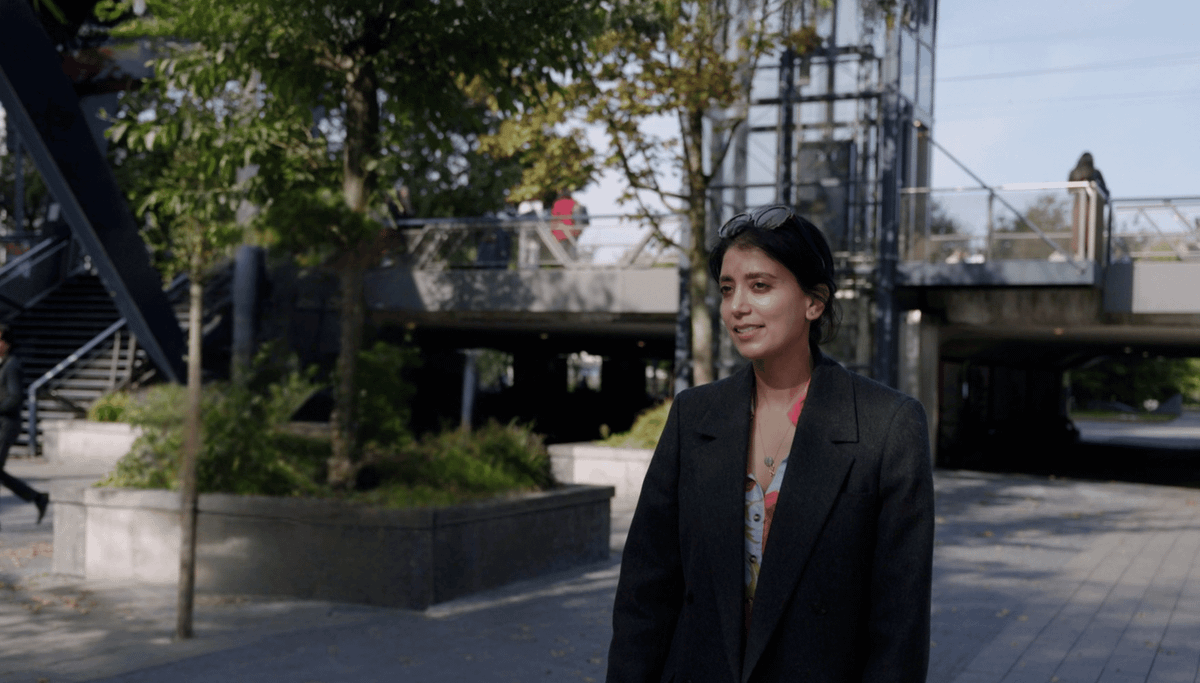
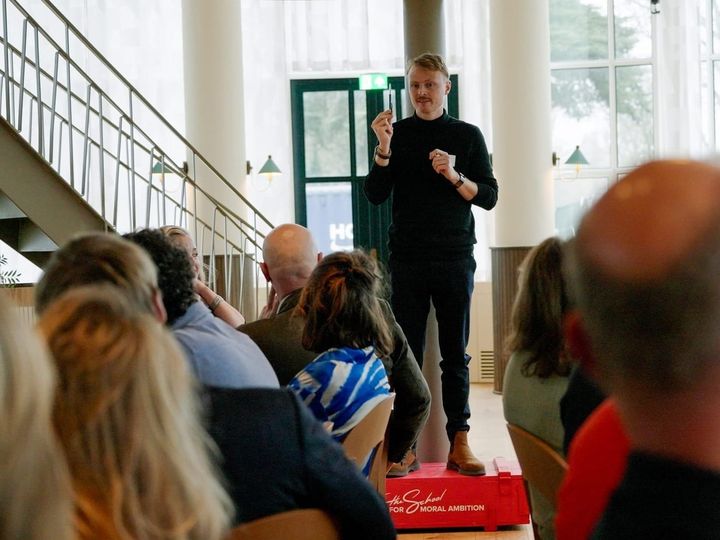
Amina Ahmad is the founder of SHIFT, a strategic litigation fund for public health accountability, and an alumna of The School for Moral Ambition’s inaugural Tobacco Free Future Fellowship.

Comments ()