
Why NGOs may give you everything you want
Exploring the myths that kept me in consultancy

“That must be quite a radical shift! Aren’t you afraid that it is going to be dull? How are the working hours?”
After working for years in the fast-paced world of strategy consulting, it is unsurprising that these questions came rolling in when I announced that I was quitting my job to start working for an environmental NGO.
To be honest, I would be lying if I said that these thoughts had never crossed my own mind. For a long time, I was guided by the narrative that becoming a strategy consultant was the ultimate goal; challenging work, a steep learning curve, and financial security all in one. Its highly selective application process only made it more attractive, feeding my ambitious hunger.
That powerful narrative is also why so many other people aspire to enter the field of consulting, and what keeps them from venturing out to other fields or types of organizations. When I was promoted and started interviewing potential candidates myself, I immediately recognized their responses to the question of “why do you want to go into consulting”, because they were the exact same answers I had given just a few years earlier.
But after a few months of working at an NGO, I've come to realize that many of the motivations for going into consulting are not unique to the sector. In fact, many of those motivations apply just as much to the world I'm in now.
Perhaps you find yourself in a similar position, considering what career you want to build, or trying to see what sector fits your ambitions. I share below the most common answers I encountered when asking people why they (want to) work in consulting, and why I think they're little more than excuses that stop people from ever looking elsewhere.
- “I want to work on many different projects”
This is probably the most common argument as a response to why someone wants to go into consulting. It is also a very appealing argument that many consultancies like to boast about in their recruitment efforts. However, I would argue that working for an NGO offers even more project diversity. In my case, I worked on four to five projects simultaneously, ranging from organizing events to writing a position paper and building coalitions. And within a topic such as the food transition, there are endless areas to explore, such as dietary shifts, agricultural production, novel proteins, and much more. It is a far more dynamic space than people imagine.
- “I want to be surrounded by ambitious people like me”
This one holds real weight, and for most consultancies, it's genuinely true. When I first started out as a consultant, I remember being struck by the drive of the people around me. Though somewhere along the way, ambition became quietly synonymous with the number of hours you put in; something I noticed when people kept asking me whether it was true that NGOs don't really work that many hours. But I'd argue that ambition looks different here, and is in many ways more powerful, as I have noticed the strong intrinsic motivation that people have to change things for the better. So if we define ambition as a strong desire to do or achieve something, it is hard to imagine someone more ambitious than a person determined to transform the entire food system in order to reduce animal suffering (or someone less likely to leave their desks at 4pm everyday).
- “I want to travel abroad for work”
Despite its negative impact on work-life balance, the romantic idea of going around the world (while your boss pays for the ticket) still holds power, and consultancies know exactly how to use it. I experienced this myself; trips to Paris and London remain some of my highlights from that period. The good news is that NGOs offer similar opportunities, but often with more meaningful context. For example, a colleague of mine did a road trip through France, visiting farmers to understand their needs in transitioning to more sustainable production. Others have travelled to Copenhagen to attend conferences and draw inspiration from national efforts to shift towards a more plant-based food system. The destinations may overlap, but the stories you come back with feel very different.
- “I want to be challenged”
Personally, this was also one of the key reasons why I was so drawn to consulting in the first place. I saw it as a great opportunity to push myself and to get the most out of my work. But that same drive is also what made me start asking questions. I was putting in long hours, delivering high-quality work, but I began to wonder: who was I actually helping? It started to feel like the work was mostly a personal challenge rather than something with meaningful impact beyond the project itself. What I love about working for an NGO is that the work itself is the real challenge. We are fighting against an entrenched system, trying to change things for the better, with no guarantee of success. That, to me, is a far more exciting and fulfilling kind of difficulty.
- “I want to work directly with senior stakeholders”
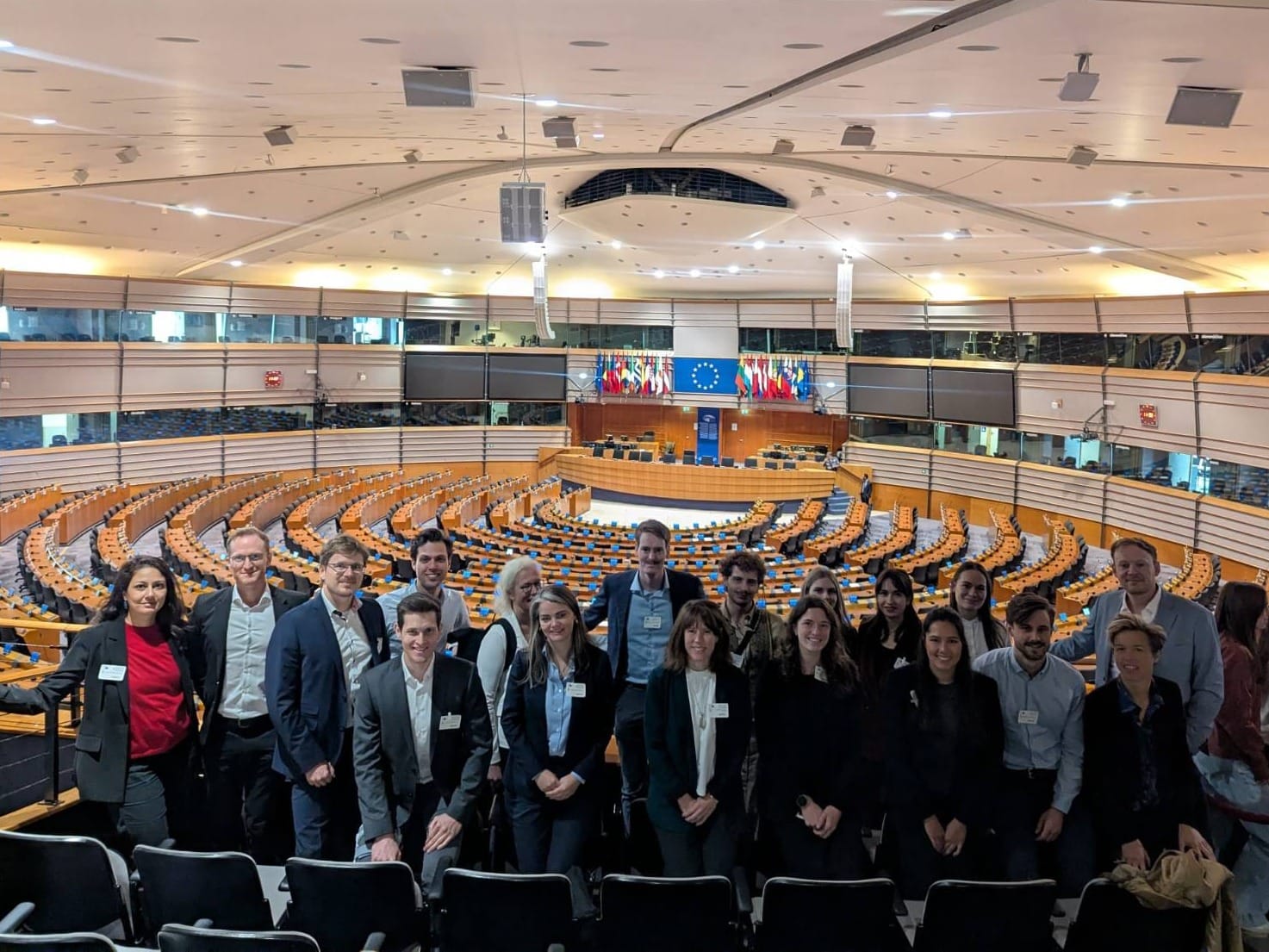
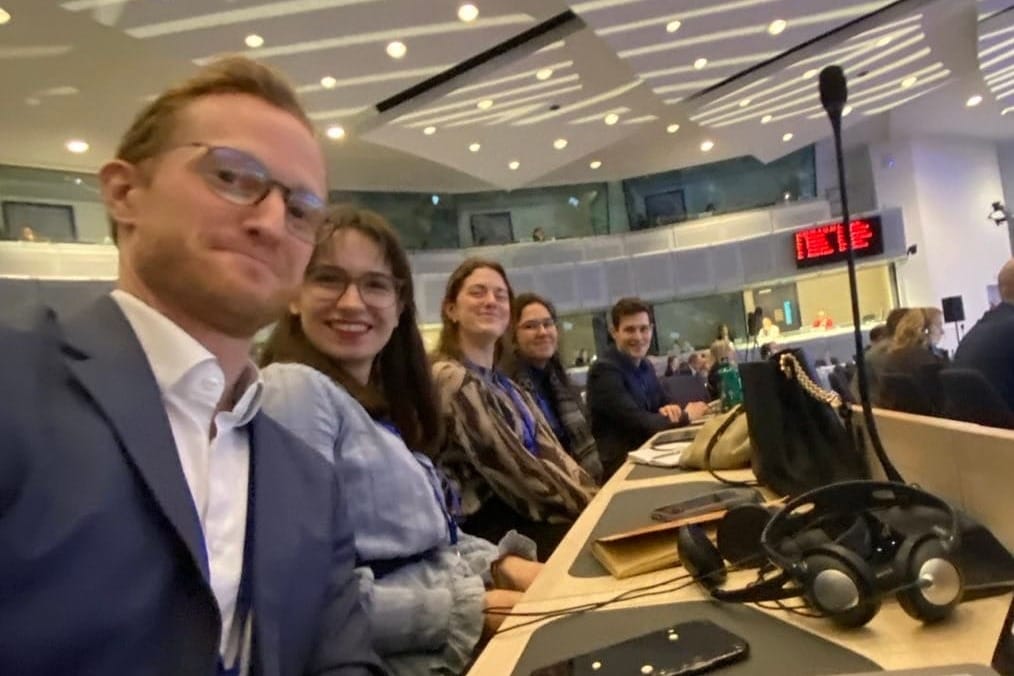
I have seen this pitch used many times to attract fresh talent, emphasizing how you will have direct access to the C-suite of major corporate players from your very first project. Not only is this being hugely exaggerated (most CEOs won’t pay that much attention to a fresh associate that is responsible for ‘data analysis’), but it is also not, again, a unique feature for strategy consultants. When working for an NGO, the only difference is that you are operating in a different setting. Most of the Fellows have been able to get direct access to Members of European Parliament and their teams. Others have direct connections with Commissioners or other senior stakeholders within the European institutions in their efforts to drive systems change - because in this world, building strong relationships with stakeholders can make all the difference.
That said, let me be clear about one thing: I'm not saying everyone should work for an NGO. Despite the similarities, real differences remain, and that's a good thing. Each sector brings something unique to the table, and some people are simply better suited to corporate environments. But there are also talented people who genuinely want to drive change and end up on paths they're not truly passionate about, simply because they don't realize the opportunities that exist elsewhere. So if that's you, there is some good news: an NGO might actually be everything you are looking for, and more.
Comments ()