The Moral Ambition Fellowships Explained
Explaining The School for Moral Ambition’s Fellowships: what the model is, how it works, and why we built it. Consider it the context behind the stories you're reading here.
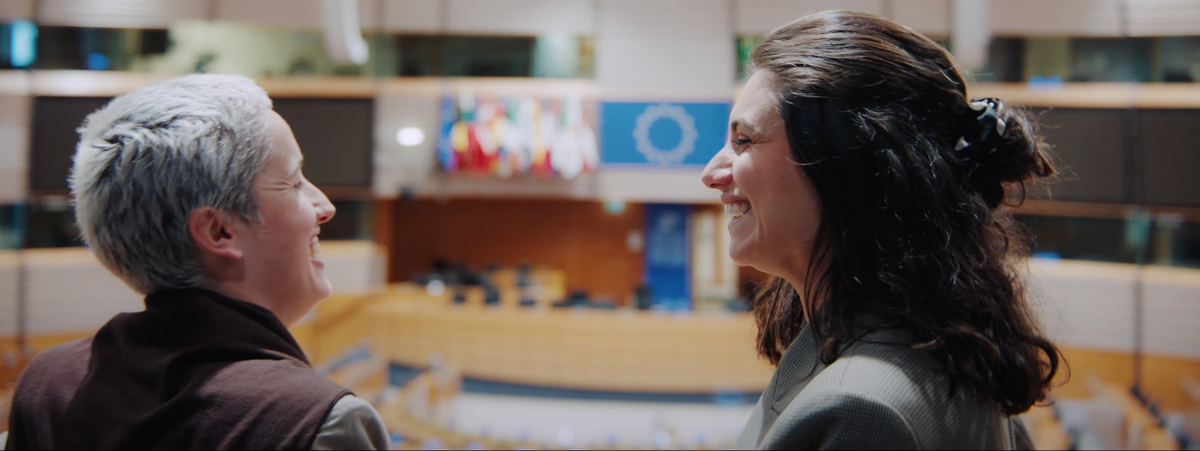
Seven months of driving policy change and building a high-impact career.
If you're reading From the Field, you've seen dispatches from people navigating major career transitions: leaving consulting firms for tobacco policy work, trading corporate strategy for food system reform, figuring out how to deploy their skills on problems that affect millions.
Those transitions are supported by a specific model: The School for Moral Ambition’s Fellowships.
This article explains what that model is, how it works, and why we built it. Consider it the context behind the stories you're reading here.
What are the Fellowships?
The School for Moral Ambition's Fellowships are intensive, paid programs that help talented professionals transition into careers tackling the world's most urgent challenges.
The premise is simple: a small group of committed people, equipped with the right skills and positioned in the right places, can drive extraordinary change. But making that leap — from a comfortable corporate role into unfamiliar territory like tobacco control or food policy — isn't easy: it requires structure, salary, and support.
That's what the Fellowships provide. For seven months, fellows receive a full salary, expert coaching, and a clear pathway from exploration to employment in their new field. They join a network of ambitious professionals making similar transitions, creating both immediate peer support and lasting connections.
We started the Fellowships because too many capable people want to maximize their impact but get stuck on the practical stuff. How do you pay rent while retraining? How do you build credibility in a new sector? How do you find the right role when you're still learning the landscape?
The Fellowships remove those barriers.
What do Fellows do?
Instead of just spending their time in classrooms, fellows contribute to driving change almost immediately.
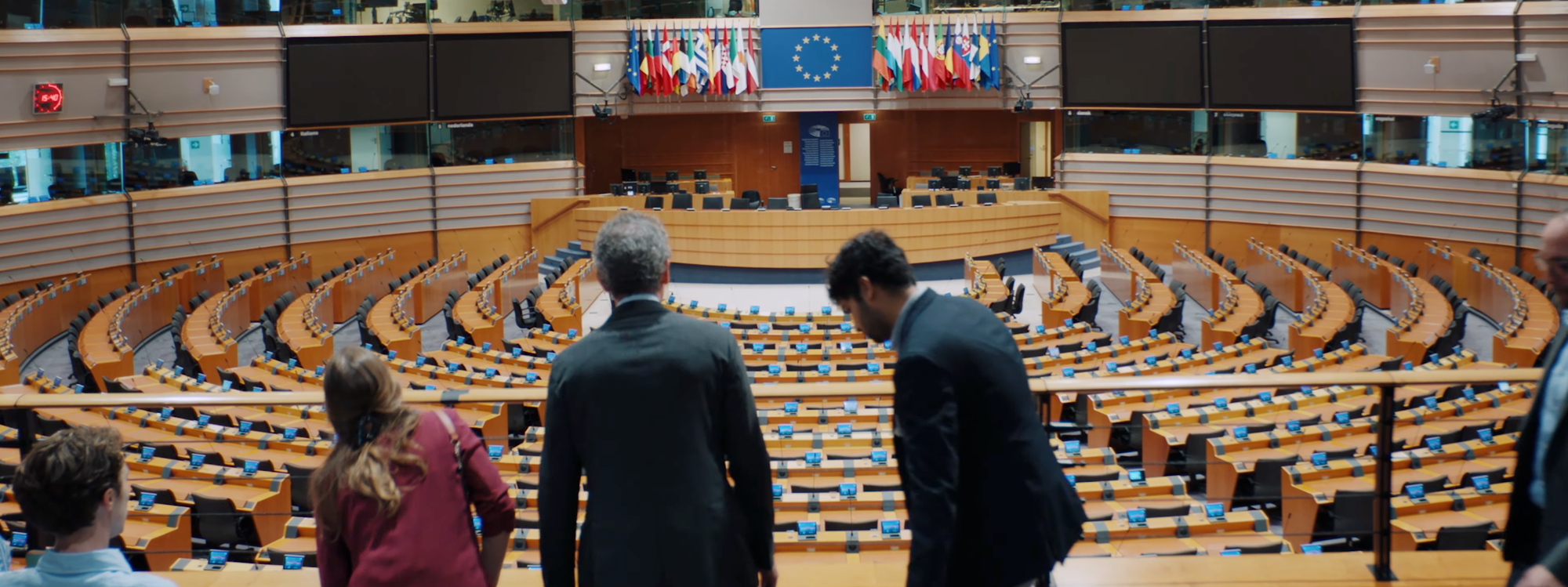
After a month of training, fellows are placed with strategic organizations driving policy change: international health bodies, advocacy groups, research institutes, coalitions pushing for government action and corporate accountability. Many end up in Brussels, where European policy gets made and where decisions about tobacco regulation, food labeling, and agricultural subsidies shape outcomes for hundreds of millions of people.
The work varies, but the common thread is leverage. Fellows are developing expertise in areas where the right move, such as a well-timed policy brief, a strategic campaign, or a coalition built at the right moment, can unlock disproportionate impact.
By the end of their Fellowship, they've built the skills and network to continue this work long-term. Some stay with the organizations where they've been placed. Others move to adjacent institutions or start their own initiatives, carrying their expertise and relationships into new roles.
The cause areas
We choose our Fellowship focus areas through rigorous research. The question we ask: Where can talented generalists create the most impact? What problems are sizable, solvable, and sorely overlooked?
That's led us to two initial cause areas:
The Food Transition
The way we produce and consume food is broken. Industrial animal agriculture drives climate change, inflicts suffering on billions of animals, and contributes to diet-related diseases that kill millions each year. Meanwhile, the global food system resists change: entrenched interests, misaligned incentives, and lack of political will keep harmful practices in place.
Our Food Transition Fellows work to transform this. They support organizations developing and scaling alternative proteins, advocate for policy that shifts production and consumption patterns, and build the strategic infrastructure needed for systemic change. This is a field where smart interventions — through corporate campaigns, government policy, or technology development — can reshape outcomes at enormous scale.
 Brendan Hadden
A Tobacco-Free Future
Tobacco kills more than eight million people every year. That’s more than HIV, tuberculosis, and malaria combined, and the leading cause of preventable death worldwide. And yet the tobacco industry continues to undermine public health policy, target vulnerable populations, and fight regulation at every turn.
Our Tobacco Control Fellows work to end this. They support international organizations like the WHO, help governments strengthen regulation, and build coalitions to counter industry influence. The field needs fresh talent badly, and the evidence shows that policy interventions work. Countries with strong tobacco control measures have seen dramatic declines in smoking rates and deaths.
 Brendan Hadden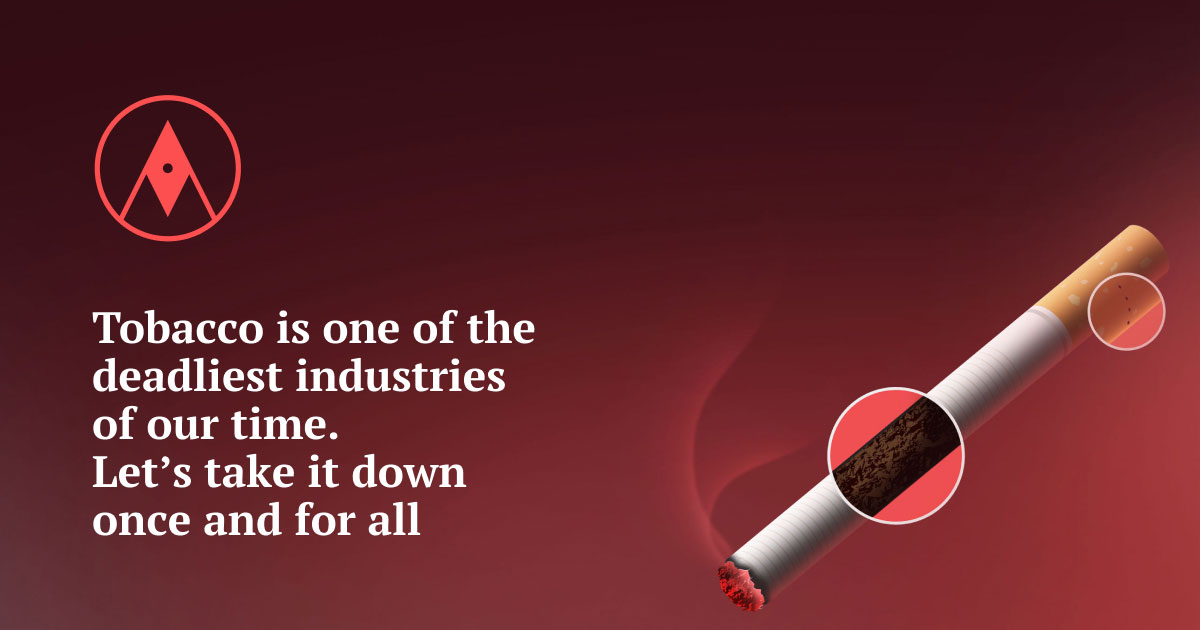
What now?
If you're curious what this work actually looks like, keep reading From the Field. Our Fellows share real-time dispatches from their transitions: the breakthroughs, the setbacks, the lessons they're learning as they build new careers.
To learn more about the Fellowships, visit our website for program details, eligibility requirements, and stories from alumni who've made the leap.
Applications for our next cohort open in spring 2026. We're also launching new Fellowships in tax policy and US food system reform, expanding into additional high-impact areas where talented professionals can drive change.
The problems we face are urgent. The solutions require people willing to redirect their careers toward what matters most. If that's you, we'd like to help you make the leap.
Comments ()