The Greenwashing of Factory Farming
How to sustain an unsustainable industry
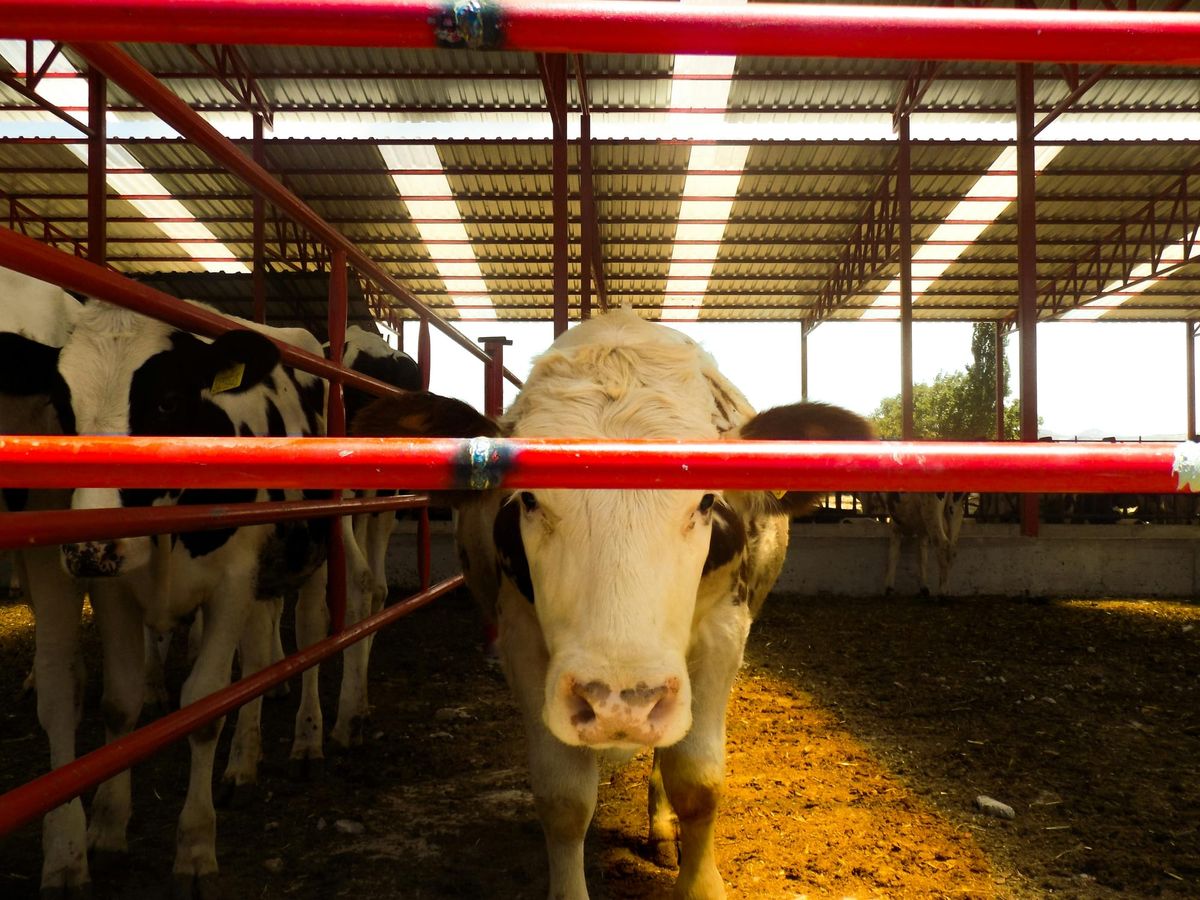
Sometimes two things just don't fit together. But sometimes an industry is so good at pretending they do, you start to question yourself. Queue public health officials and policy makers patting each other on the back about the new sustainable livestock strategy.
That's greenwashing. Slap "eco-friendly" on a label, and industries polluting our skies and oceans get to rebrand themselves as environmentally conscious and consumers get to skip the guilt and the research. It said so right on the packaging. But there are some industries we know are inherently bad for the planet, right?
The evidence on industrial factory farming is undisputed. As Our World in Data makes clear, no sustainable version of beef comes close to plant-based alternatives when it comes to emissions. Less meat is always better, and beef and lamb are always the worst. Yet here we are, watching the livestock industry rebranding themselves as sustainable, a transparent rebuttal to consumers trying to eat more climate-consciously
What's surprising isn't that the greenwashing is happening, it's who's buying into it.
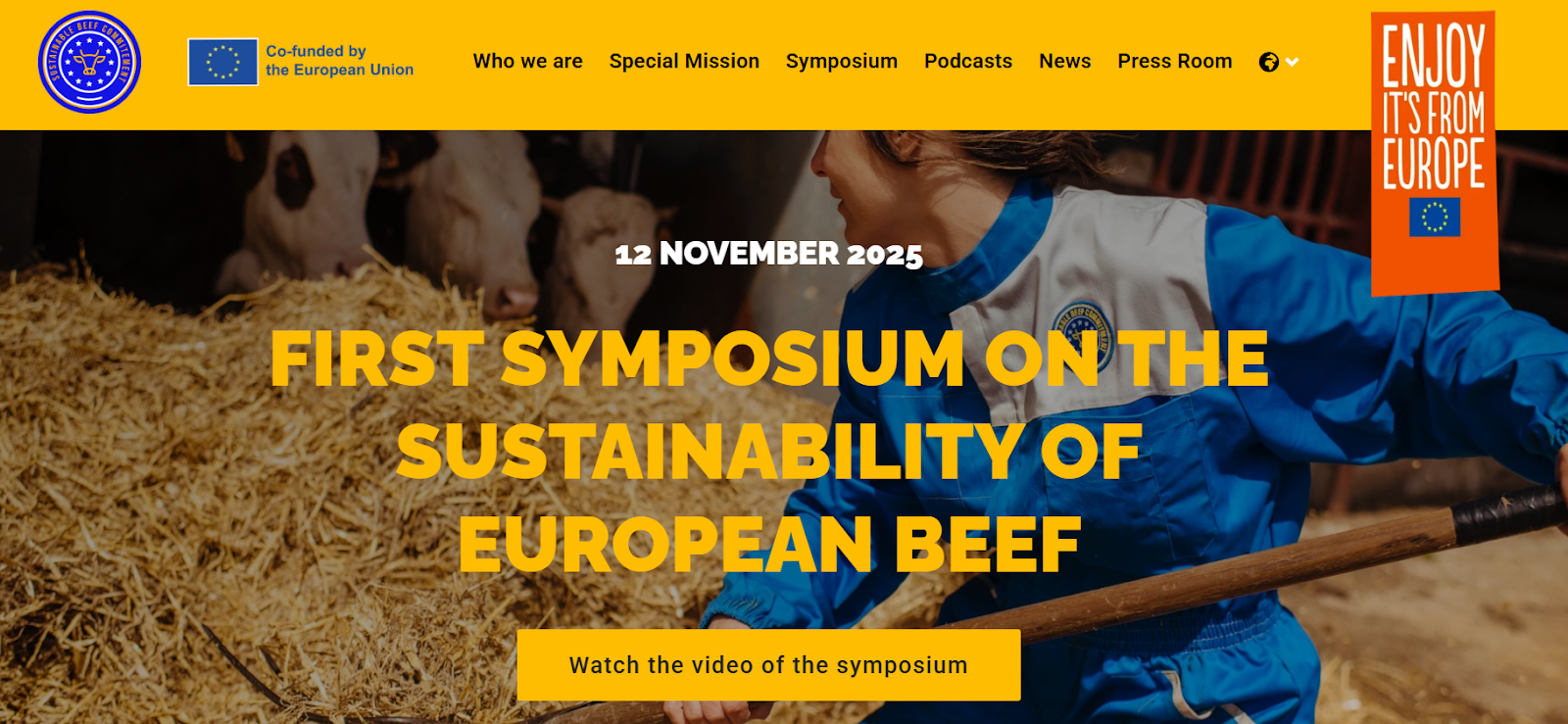
As a researcher in health and someone now working in food systems transition, my LinkedIn feed is a collision of agricultural policy, food systems, animal rights advocates, academics, and health organisations. They don't often overlap, but I was floored recently when a prominent public health organisation posted about the EU livestock strategy and framed it within the One Health approach. This is an approach which is defined by the EU as an ‘integrated, unifying approach that aims to sustainably balance and optimize the health of people, animals, and ecosystems’’. Animal welfare surprisingly got a mention in this post, but only insofar as it affects antimicrobial resistance. Nothing as radical as animal welfare for the animals' sake.
Still, with all the evidence of planetary harm, everything we know about dietary change and human health, and the clear negative impacts of the livestock industry on animals and ecosystems, I couldn't help but be flabbergasted; how are we linking intensive livestock farming to the One Health approach?
It is on occasions like this exactly where progress stalls. Legitimate actors lend credibility to industries and products we know to be harmful. The EAT-Lancet Commission made the case for plant-based diets, yet public health officials are now praising "sustainable livestock," and the European Commission talks about "keeping livestock systems healthy, sustainable and resilient." And clearly the rebranding is working, because there is no sustainable intensive livestock system. Factory farming is inherently unsustainable; it is emissions intensive, supports food systems which kill biodiversity and harm the environment and contributes to consumption patterns that are harmful for human health. And let's be clear, animal welfare is nearly non-existent in an industry designed to breed and slaughter billions of animals a year, kept largely in confinement under conditions most of us would rather not think about.
In full transparency, I almost cut that last sentence. Too confronting, off-topic. But honestly, how do we talk about a One Health approach and animal production without talking about the animals?
When credible institutions normalise this narrative, they don't just mislead, they slow down the momentum that environmental targets and planetary health have built. And what I have noticed is that there's a strange cultural dynamic at play here too. Those trying to do right increasingly go quiet, while those doing wrong co-opt the language of values. In today's social media culture, veganism gets memed into self-righteousness, insert eye-roll here. I have been guilty of pandering to this myself; I've spent more time than I'd like reassuring dinner companions that my choices aren't a judgement of theirs. "It's just a personal thing, totally your call." Or being the only person in a department of 100+ to politely raise a hand and ask if there's a vegan option at the catered staff lunch (spoiler alert, there usually isn't). It's frustrating and isolating, and at some point you begin to wonder why you feel shame about living by your moral values, rather than expressing outrage at the retreat of others in the face of undeniable suffering.
What I notice is the tension in that quiet disappearance, not raising hell every time someone says "sustainable beef," but also not wanting to be the loud one. It's values going underground while others parade their co-opted version of those same values out in the open. Morality is retreating, and it's retreating out of fear of being too disruptive or seen as too extreme, for instance to raise the issue of animal welfare in a debate about our food systems, or to dare say we should reduce our production and consumption of meat when we work on food policy.
But let's be clear about one thing: "less bad" is not good. Making an inherently unsustainable industry marginally less emission-intensive does not make it sustainable. I know some will push back, a win is a win. But when urgency is rising and the industry keeps fighting back tactically, we need actors calling it out for what it is, not legitimizing the rebrand. In the end, some things really just don't fit together and the longer we pretend they do, the more we start to believe it ourselves.
If you too are feeling frustrated by the industry tactics aimed at maintaining unsustainable systems and perpetuating harm, or just want to work on something that you feel matters - both US and EU food fellowships are accepting applications now.
Comments ()