So You Want To Fight The System?
Introducing From the Field: Real-time dispatches from fellows turning moral ambition into impact.
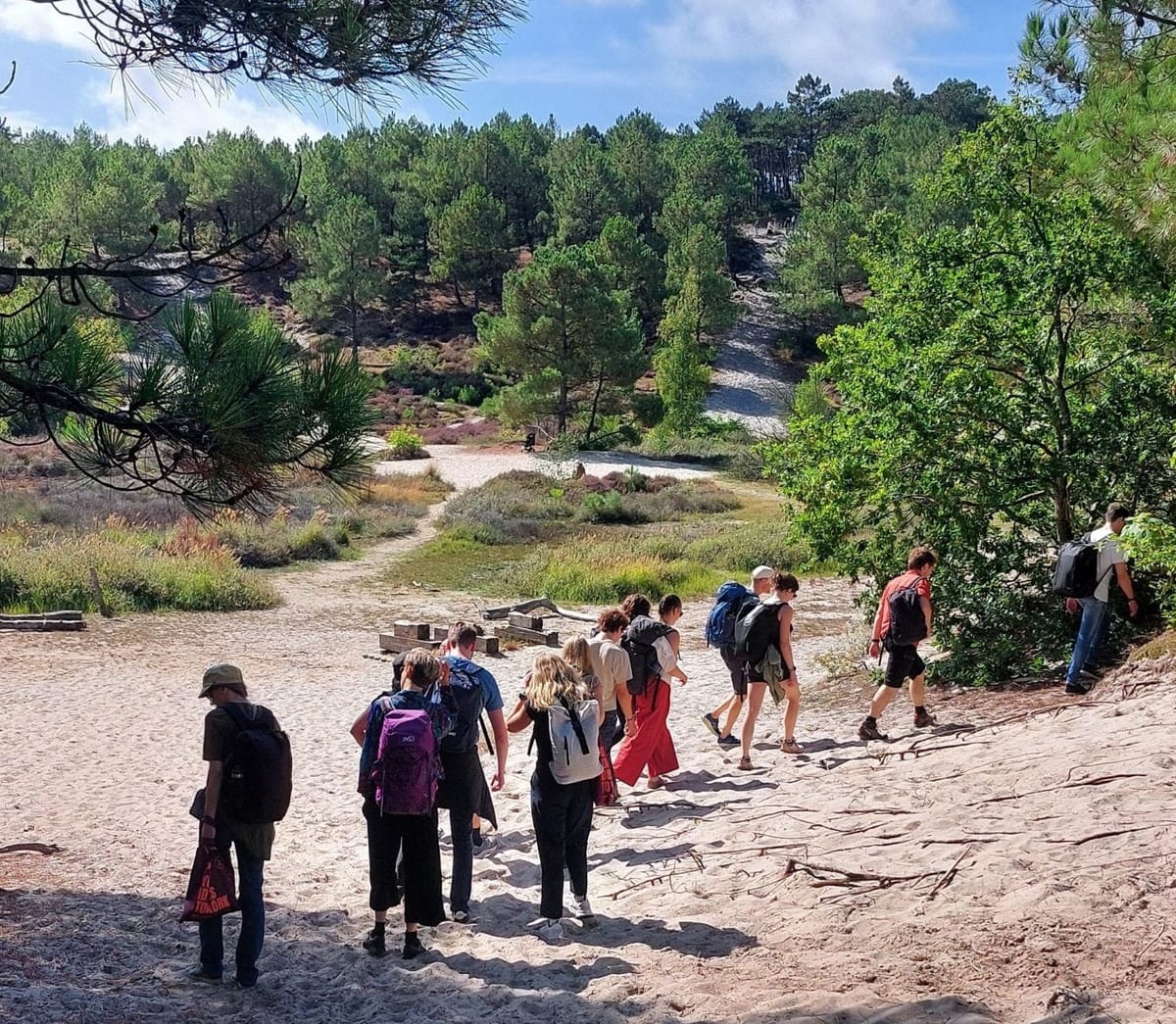
Introducing From the Field: Real-time dispatches from fellows turning moral ambition into impact
“Never doubt that a small group of thoughtful, committed citizens can change the world; indeed, it’s the only thing that ever has.”
If you spend any time around Rutger Bregman, it won’t be long before you hear him quote Margaret Mead. It’s a line that we as fellows at The School for Moral Ambition have heard often enough that it risks losing its inspirational impact. Yet, it’s a useful shorthand for a theory of change, particularly for people caught between feeling overwhelmed by the state of the world and deciding to do something about it. Committed people, working together, can bend history.
The quote sounds more like this once you're closer to the work:
Never doubt that a small group of thoughtful, committed citizens trying to change the world will come to understand why it hasn't changed yet, despite the ongoing efforts of thoughtful, committed citizens.
Don’t mistake this for cynicism, or a rejection of the optimism in Mead’s quote, rather an extension of it. What happens when moral ambition moves from conference rooms and into contact with the institutional inertia that defeated previous waves of optimistic change?
Five months into working inside organisations dedicated to challenging entrenched power and reshaping public policy, what's become clear is this: moral ambition rarely stalls because people don't care enough. It stalls because caring people operate inside systems specifically designed to minimise risk, slow decision-making, and avoid conflict with entrenched, well resourced counterparts. Systems that have learned - sometimes the hard way - to avoid failure. Legal caution, political compromise, reputational anxiety, resource constraints, human burnout: these aren’t abstract and these systems didn't emerge arbitrarily. They're the result of past efforts, losses, and gut wrenching moments when something almost worked and then didn't.
 Brendan Hadden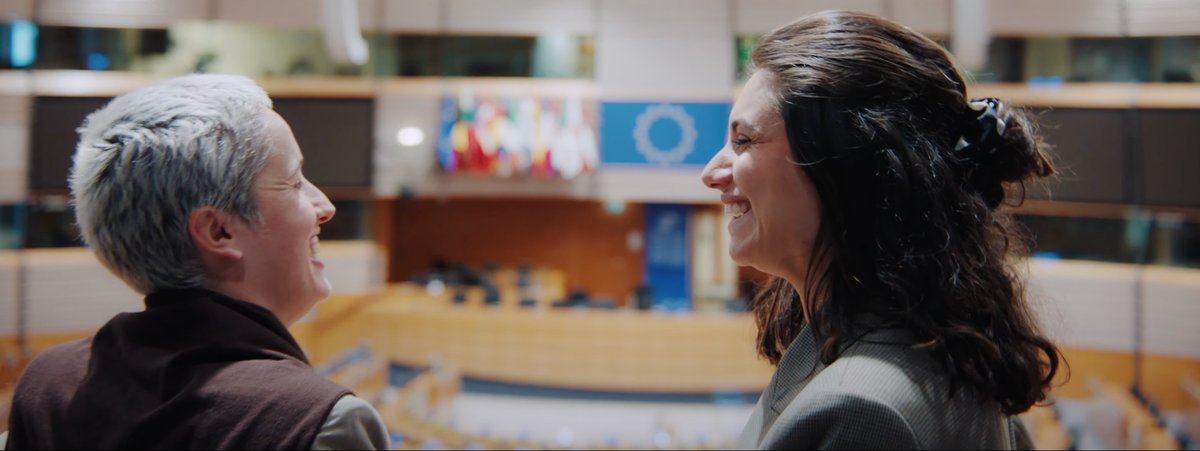
Care about them, just don't talk about them
Rachel Gifford on pragmatism in the food space
I remember sitting in our first week excited to finally be bringing my personal interests in line with my professional focus. Primarily vegan for over 15 years now, I entered this fellowship from an animal welfare lens.
However, shortly into the first week of training I remember feeling frustrated by the diplomatic take on the food system transition. Finally, I asked ‘sorry, but where are the animals in this discussion?”. We had been talking primarily about the environmental side, and had learned the different perspectives in the debates, but we hadn't talked about the most important stakeholders in this debate yet- the animals themselves. I was told the next day would answer my question, and it did. A leading vegan activist came to talk to us and I was excited, finally we got to the heart of the matter.
But the heart of the matter was… pragmatism. “Don't talk about the animals”, focus on moving the needle instead of being divisive in your passion. I understood, but I was disheartened.
In Brussels it was the same refrain: we all care about animals here at the end of the day, but we don't make our work about it. And more and more the political line crossed out what to talk about, what words to use. Not food transition, but diversification. At the heart of policy making, the policy must be neutral, no sense of change, not less of something just more of something else. Tone should be friendly, supportive- no calling out industries for what they are.
This example demonstrates the challenges facing those working in this space, and why system change is so hard. It must be one meeting, one line at a time. Energy and resources have to be directed to defense on issues such as ‘can it be called a burger’ rather than going after an industry which is actively harming our planet, negatively impacting human health, and killing billions of animals every year often with cruel practices. Keeping up the defenses is a full time job - arguably one purposefully designed by the systems we aim to dismantle - which hinders the ability to drive change.
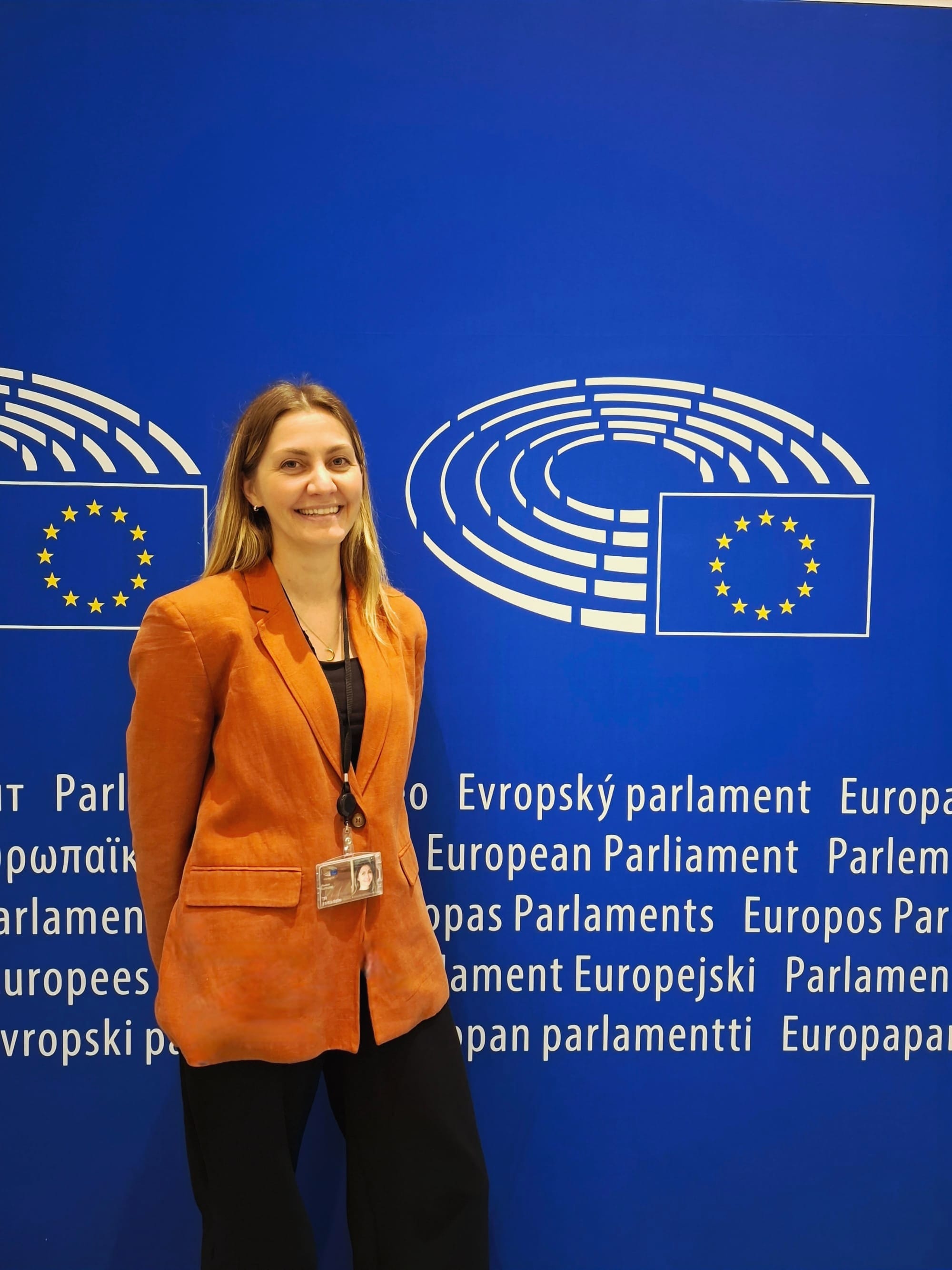
The 60-page PDF problem
Peter Halliwell on what happens when you bring different skills to the fight
I was at the World Health Organisation Tobacco Control conference (COP) in Geneva last November. Three of us from The School went - all barely two months into our new roles, not really knowing what to expect. People kept describing it as this big showdown with the tobacco industry (technically not allowed to be in the room, you could see their fingerprints all over the debate), where political decisions with global consequences would get made.
The civil society organisations in attendance brought decades of expertise in the fight to restrict the harms caused by Big Tobacco. But they were fighting with insufficient tools. The official attendee list was a 60-page PDF which delegates were ‘Ctrl-F-ing’ to search for names, trying to figure out who was speaking and what they might ‘actually’ be saying.
I came to The School from spaces where if a tool doesn't exist, you build it. When there’s profit and growth driving day-to-day work, efficiency and innovation are critical. One evening, using that PDF, I built a searchable database. Every delegate's country, role, background.
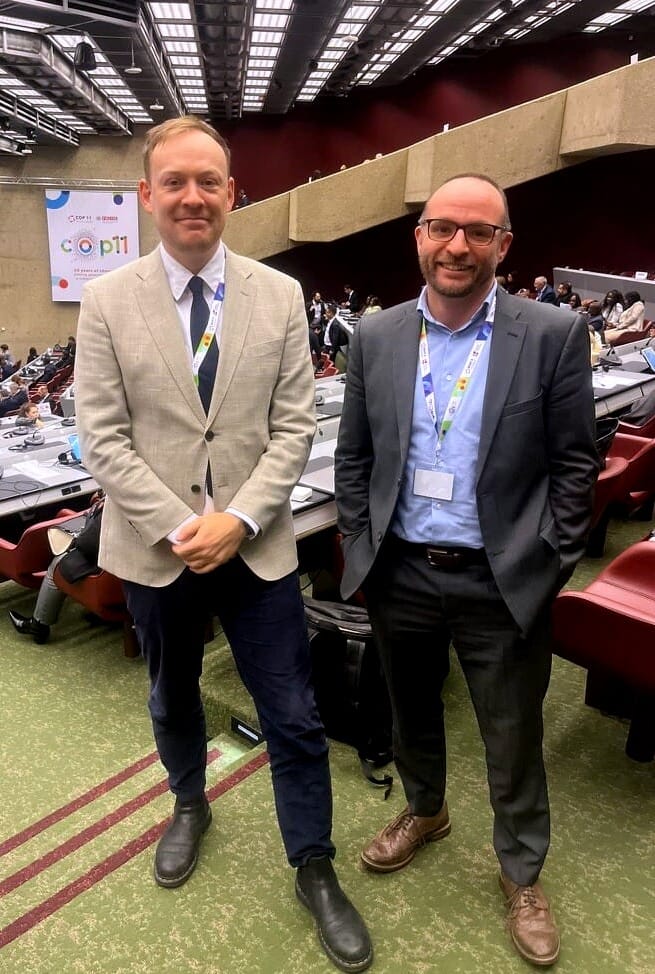
The next morning people used it. That disruptive ring-leader? A former prime minister. That EU lobbyist who somehow is the sole representative of an African country?! Civil society organisations have observer status, so direct intervention is carefully coordinated; this tool wasn't about confronting people in the moment. It was about context. Understanding what was actually playing out in front of us. Seeing the previously unseen patterns and helping the people who could influence the process do so with better information, faster.
Two months in and I could already see the challenge clearly. Resources go to basic logistics - who's speaking, what they represent - instead of the actual fight. The tobacco industry isn't in the room, but their influence is everywhere, and civil society is often stuck playing catch-up with inadequate tools. If this is what's possible when someone shows up with a different experience, imagine what's possible with proper planning, resources, and infrastructure."
From the Field exists to make these experiences and tensions visible. This newsletter publishes dispatches from inside the work itself; where moral ambition meets constraints, decisions, and doubt. First-person accounts from people actively trying to move systems, written while outcomes are still unresolved, but honest documentation of what happens when ideals encounter institutions.
We are early in this work ourselves. That’s deliberate. We are writing from the field, as we encounter issues; before uncertainty resolves and before optimism hardens. We are interested in what it actually feels like to be new on the scene, to translate values into action inside real change-making organisations, under real pressure, with real consequences.
If this way of thinking resonates, subscribe to From the Field for new dispatches as they’re published. We need more people in these fields: people who bring different skills, fresh perspectives, and a willingness to work through the friction. Maybe you're one of them, and if so- we would love to have you along for the journey.
Comments ()